The Rise of Hyperlocal Delivery in India:
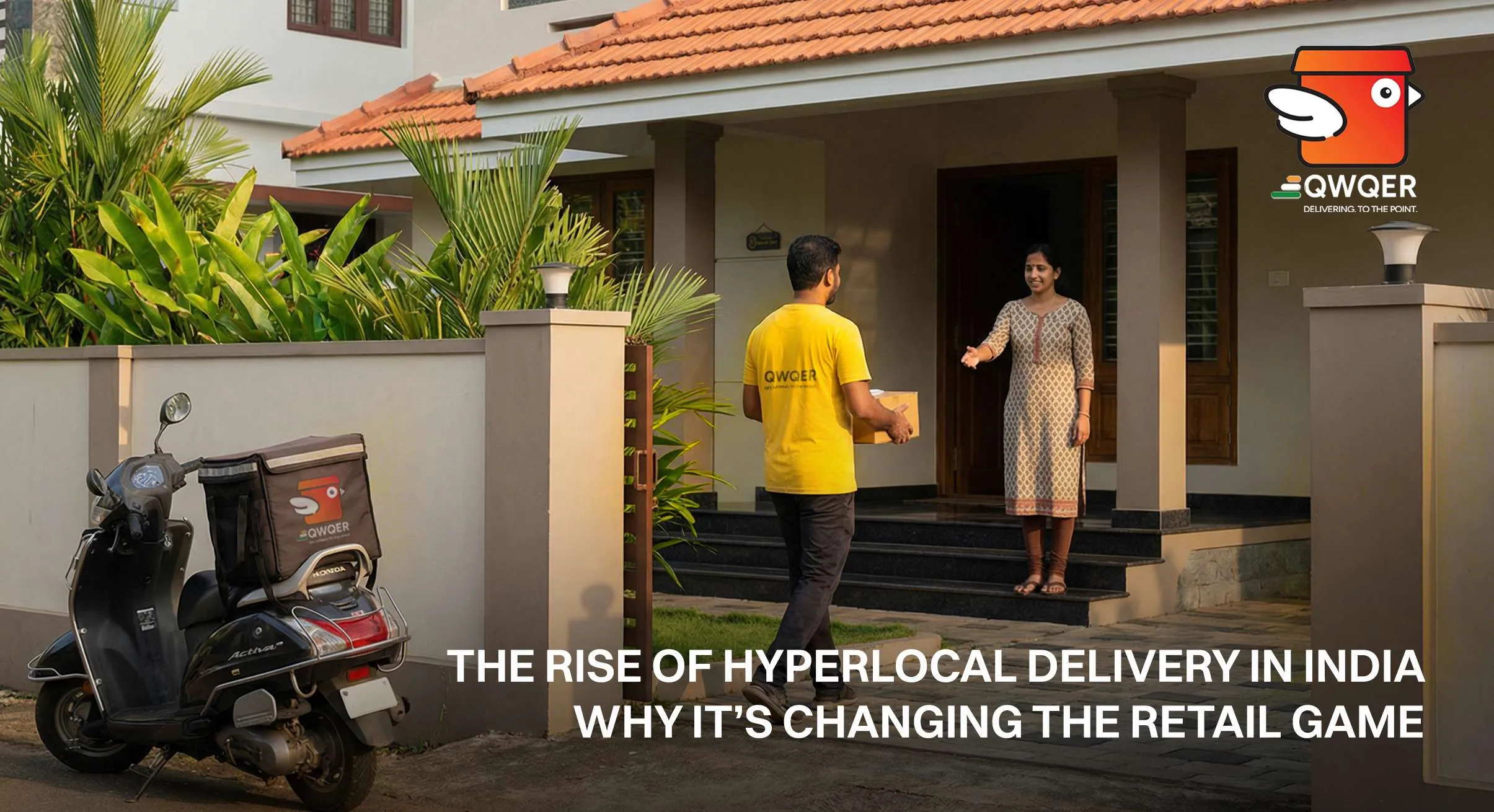
Why It’s Changing the Retail Game
If you think about how we buy thingstoday, it’s almost funny how quickly our
habits have changed.
A few years ago, waiting 3–5 days for adelivery felt normal. Today, if our
groceries take more than 30 minutes, westart refreshing the app like it owes
us money.
This shift didn’t happen overnight. It’sthe result of something bigger: the rise of
hyperlocal delivery. And inIndia, this trend isn’t just buzzing… It's booming.
So let’s talk about what hyperlocaldelivery really is, why it matters, and how
it’s quietly reshaping the futureof retail for businesses of all sizes.
What Exactly Is Hyperlocal Delivery? (In
Simple Words)
Hyperlocal delivery is exactly what itsounds like:
Delivering items within a small radius,usually from a nearby store or
mini-warehouse, straight to the customer’sdoorstep fast.
It works because everything happens closeto the customer:
- Local stores or neighbourhood warehouses hold the inventory
- A two-wheeler delivery person picks it up
- Technology decides the quickest route
- Customer gets their order in minutes or a couple of hours
It’s basically the opposite oftraditional e-commerce, where a product might
travel through:
Warehouse - Sorting center - Transit hub- Local hub - Delivery
Hyperlocal cuts all that out? And in a country where traffic,distance, and
dense neighbourhoods complicate logistics, this model just fits.
The Indian Hyperlocal Boom: Faster
Than Anyone Expected
The growth numbers tell the story loudand clear:
India’s hyperlocal delivery market grewat a whopping 51.84% CAGR from
FY2021 to FY2025.
And here’s the interesting part: it isn'tjust metros driving this boom. Tier-2 and
Tier-3 cities are joining the partyas digital adoption skyrockets and consumers
get comfortable orderingeverything online.
Hyperlocal delivery has become themissing puzzle piece for India’s
e-commerce ecosystem:
Fast like quick-commerce, reliable likeretail, accessible like local shops.
Why Businesses - Especially MSMEs &
Local Retailers Should PayAttention
If you’re a small retailer, kirana shop,local bakery, or even a neighbourhood
pharmacy, hyperlocal delivery is yourgolden ticket. Here’s why:
1. Faster deliveries = happier customers
When you deliver within hours instead ofdays, customers feel taken care of.
And satisfied customers come back.
2. Lower logistics cost per order
Short-distance deliveries usingtwo-wheelers are far more cost-efficient than
long-haul shipping.
3. Leveling the playing field with big brands
You may not match them in ads or appfeatures, but you can beat them in
speed and local convenience.
4. Meeting neighbourhood demand instantly
People often need:
- Fresh groceries
- Daily essentials
- Medicine
- Food
- Quick household items
Hyperlocal delivery helps you serve theseneeds right now.
Where Hyperlocal Delivery Really
Shines: Key Use Cases
Hyperlocal isn’t limited to one sector -it’s everywhere.
Grocery & Essentials
Fresh produce and daily items need speed.Hyperlocal nails it.
Restaurants & Cloud Kitchens
Customers want hot food, not a warmapology. Hyperlocal ensures freshness
and timelydeliveries.
Pharmacies & Medical Supplies
Urgency matters here more than anywhereelse.
Personal Care & Retail Goods
People love the convenience of “ordernow, get now.”
Basically, anything people buy frequentlyor need urgently? Perfect for
hyperlocal.
The Real Challenges Businesses Face
(And Why They’re Worth Solving)
Hyperlocal delivery sounds smooth, butimplementing it takes planning.
Here’s what businesses must manage:
1. Inventory and Micro-Warehousing
Keeping stock close to customers is key.
2. Reliable Delivery Network
Two-wheeler fleet + trained partners +smart routing = efficiency.
3. Consistent Speed in Busy Cities
Traffic, weather, and rush hours canimpact timelines.
4. Costs vs Margins
Fast deliveries require operationalinvestment fuel, manpower, tech,
andtracking.
But here’s the thing: Most businesses find that the increasein repeat orders
easily justifies the investment.
How MSMEs & Retailers Can Implement
Hyperlocal Delivery Successfully
If you’re thinking of starting hyperlocaldelivery, here’s the simplest roadmap:
1. Start small
Pick one neighbourhood or zone. Focus onhigh-demand products.
2. Use local inventory wisely
Tie up with nearby stores or maintainsmall dark stores to ensure fast dispatch.
3. Add tech (doesn’t have to be complicated)
Simple route planning, live tracking,automated updates these make a huge
difference.
4. Communicate well with customers
Tellthem ETAs, delays, confirmations.
Transparency builds trust.
5. Scale step-by-step
Onceyou see stable demand, expand your radius, SKUs, delivery slots,
orpartnerships.
Conclusion: Hyperlocal Delivery Isn’ta
Trend: It’s the Future of Indian Retail
If there’s one thing Indian consumers have made clear, it’s this:
They want speed, convenience, andreliability all at once.
Hyperlocaldelivery delivers exactly that.
And for MSMEs, startups, and localretailers, it’s a massive opportunity to stay
competitive, stay relevant, andstay connected to customers.
Soif you run a retail store, food business, or online shop…
Maybe it’s time to test hyperlocaldelivery in your area.
Becausethe businesses that adopt it now are the ones customers will stick
withtomorrow.
If you’re exploring hyperlocal delivery for your business, let’s talk - we’d
behappy to guide you on where to start.